The importance of regular dental checkups: what you need to know

The importance of regular dental checkups: what you need to know

By Admin

|

|

Educational

The frequency of dental cleanings varies depending on an individual’s oral health, but it is usually recommended every six months. This is based on several factors:


PREVENTION OF CALCULUS AND PLAQUE: Calculus is mineralized plaque that builds up in the mouth and can lead to periodontal disease. Regular dental cleanings help remove these deposits, reducing the risk of periodontal disease and other oral problems.

PREVENT GUM DISEASE: Accumulation of calculus and plaque is a major cause of gingivitis and periodontitis. These diseases not only affect oral health, but can also negatively impact general health. Regular dental cleanings can reduce the incidence of gum disease.

Keep your breath fresh: The presence of calculus and plaque may lead to bad breath. With regular dental cleanings, you can effectively improve your oral hygiene and keep your breath fresh.

Maintains Aesthetic Appearance: The presence of dental calculus may lead to yellowing or browning of the teeth, which affects the aesthetic appearance. Regular cleanings help to maintain the natural lustre of the teeth and improve their appearance.
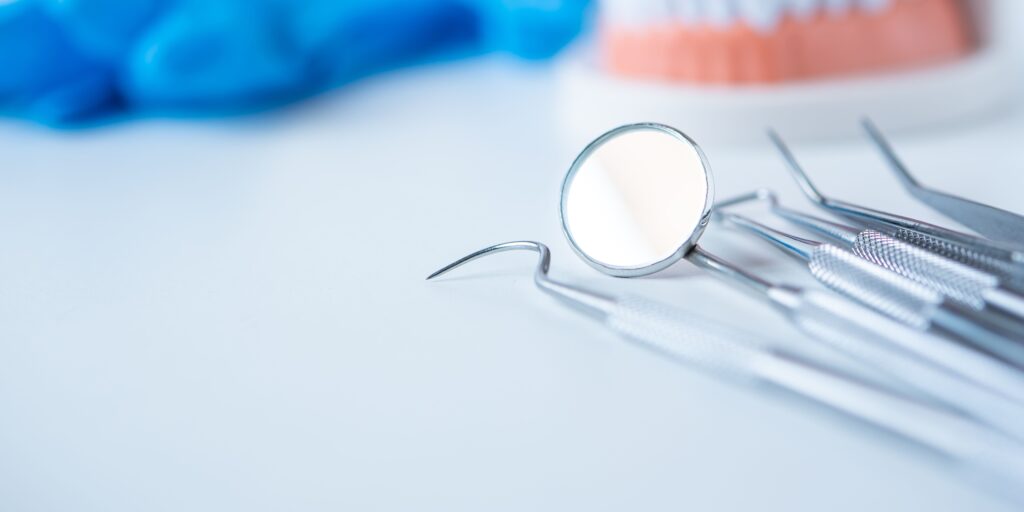

A dental mirror and probe on a tray


It is important to note that certain individuals may require more frequent cleanings, depending on their oral health, genetics, lifestyle and oral hygiene habits. For example, some individuals may be prone to forming tartar and require more frequent cleanings.


Overall, by having regular dental cleanings, you can prevent oral problems from occurring, keep your mouth healthy, and improve your overall health. When deciding on the frequency of your cleanings, it is best to consult with your dentist, who can provide personalised recommendations based on your specific situation.

Next article →

The silent alarm: understanding and addressing bad breath

Happy Dentistry

Providing gentle, professional dental care focused on patient comfort and clarity.

Happy Dentistry acknowledges the Wurundjeri Woi Wurrung people of the Kulin Nation as the Traditional Custodians of the land on which we practise, and pays respect to Elders past, present and emerging. We are a proud LGBTQ+ inclusive practice and welcome everyone.

Disclaimer

The information provided on this website is for general informational purposes only. It’s not intended as professional medical advice and should not be treated as a substitute for consultations with qualified dental or healthcare providers. Always seek the advice of your dentist or other qualified professionals with any questions regarding your individual dental health or specific medical conditions.